

Results are based on Vyde’s internal customer satisfaction survey conducted in April 2026. Reported time savings and tax savings reflect customer estimates and self-reported experiences, and may vary based on individual circumstances, business type, and level of service engagement. These results are not guaranteed and should not be interpreted as predictive of future outcomes.
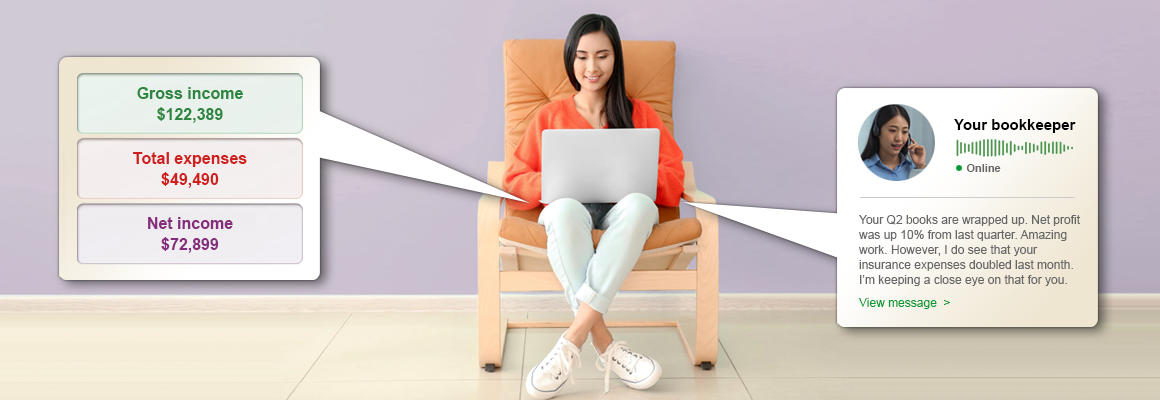
We categorize your transactions, reconcile your accounts, and prepare monthly financial reports so you always know where your business stands.
Vyde’s bookkeeping service keeps your financials clean, organized, and up to date—so you can make better decisions, stay compliant, and focus on growing your business instead of managing spreadsheets.

Vyde customers typically save around 50 hours each year by using our bookkeeping service. That’s time they can reinvest into their business, customers, or life outside of work.

You can more easily understand your income, expenses, and profitability with reports that make intuitive sense.

Proactive monitoring and consistent oversight help you stay ahead of issues — no more scrambling at month-end or tax time.

Clearly separate your personal and business finances, making it easier to track expenses, stay compliant, and build a professional financial foundation. Learn more >
Explore your financing options and secure capital on your terms before you urgently need it. Learn more >
Get clear answers to common questions about our bookkeeping services, so you can stay organized, compliant, and confident in your finances.
Keeping your business and personal expenses separate makes your bookkeeping cleaner, your reports more accurate, and tax season much easier.
The best way to do this is to use a dedicated business bank account and business credit card for business transactions. When everything runs through one account, it becomes much easier to see what your business earned, what it spent, and what may qualify as a deduction.
Mixing business and personal expenses can create a few problems. It can make bookkeeping more time-consuming, increase the chance of mistakes, and make it harder to support deductions if questions come up later.
It can also create legal and liability concerns for certain business types. If your business is an LLC or corporation, keeping clean separation helps show that the business is truly separate from you personally.
Vyde recommends opening and using dedicated business accounts as soon as possible so your records stay organized from the start.
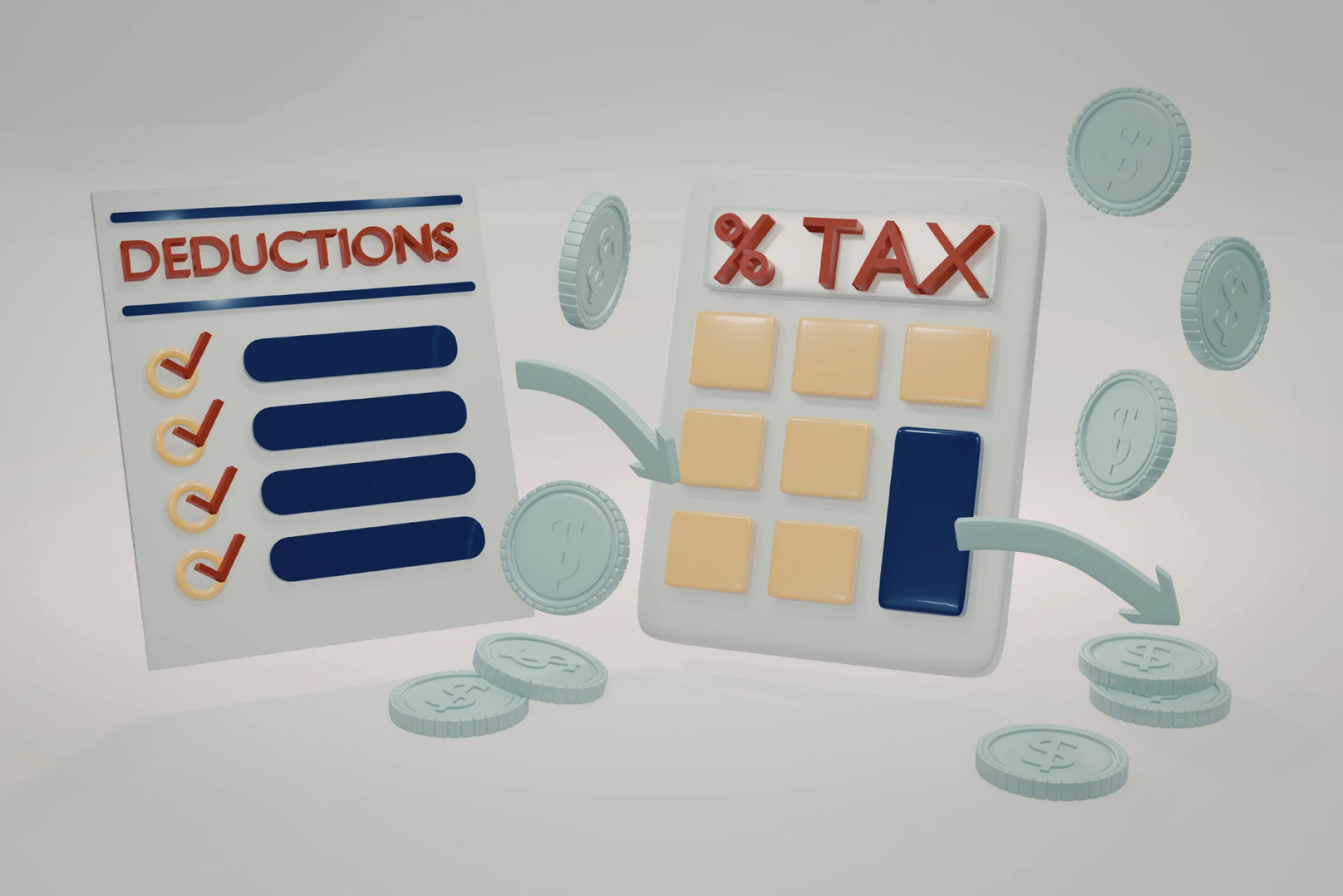
Yes. If you paid for a legitimate business expense from a personal bank account or personal credit card, it may still be deductible as long as it was ordinary, necessary, and properly documented.
Make sure the expense is recorded correctly in your bookkeeping, and keep a receipt, invoice, or bank statement showing the payment and business purpose.
That said, using personal accounts for business expenses can make your records harder to manage. Whenever possible, use your business bank account or business credit card for business purchases.
Your bookkeeping reports help tell the story of your business.
The Profit and Loss Statement shows how much money your business brought in, how much it spent, and whether it made a profit or took a loss during a certain period. This is often the best place to start if you want to understand how your business is performing.
The Balance Sheet shows what your business owns, what it owes, and what belongs to the owner at a specific point in time. This helps you understand the overall financial position of the business.
The General Ledger gives more detail. It shows the individual transactions that make up the numbers on your reports.
When reviewing your reports, focus on the big picture first. Look for trends, unusual changes, and areas where your business may need attention. You don’t have to understand every accounting detail on your own. Vyde can help you review your reports, understand what the numbers mean, and use that information to make more confident business decisions.
Bookkeeping categories help organize your business transactions so your reports are accurate and useful.
Here are the main categories you’ll see:
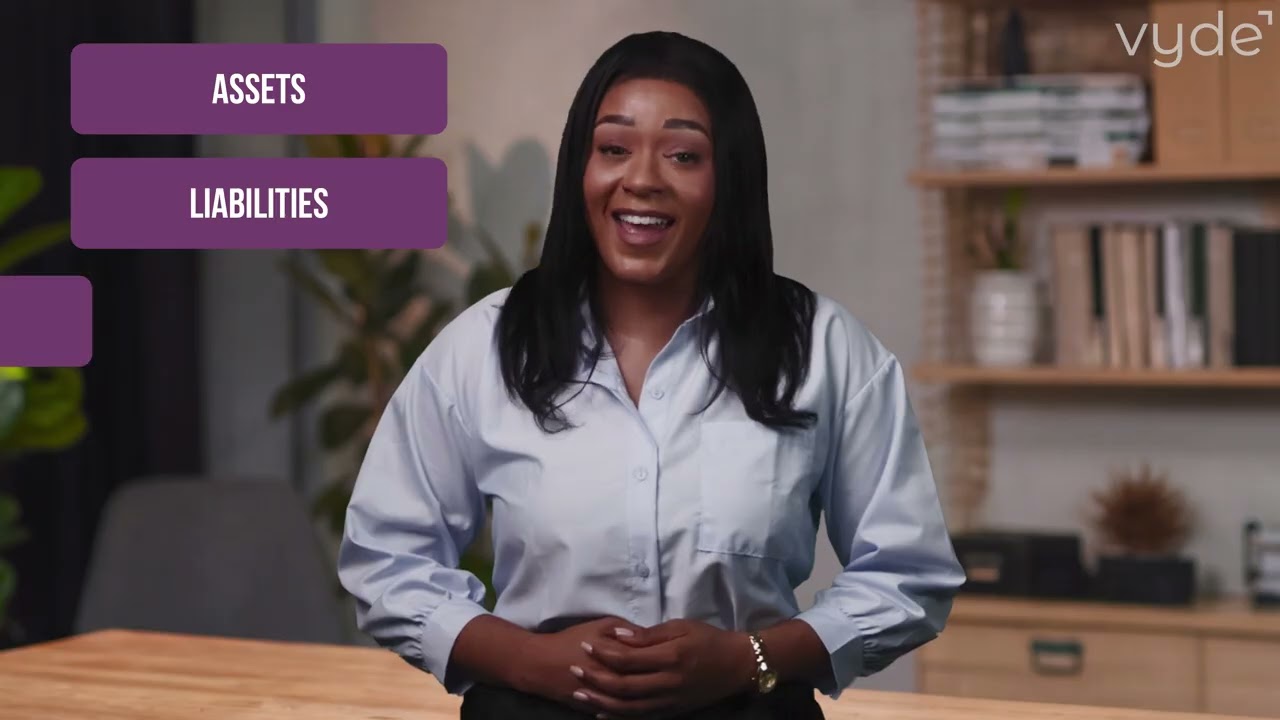
Assets
Assets are things your business owns. This may include cash, equipment, inventory, vehicles, or money customers owe you.
Liabilities
Liabilities are amounts your business owes. This may include loans, credit cards, unpaid bills, or taxes owed.
Equity
Equity is the owner’s share of the business after subtracting what the business owes from what it owns. In simple terms, it helps show what belongs to the owner.
Revenue
Revenue is the money your business earns from selling products or services.
Expenses
Expenses are the costs of running your business. This may include supplies, software, rent, payroll, insurance, advertising, and other business costs.
You can find a more detailed view of these expenses in Vyde’s bookkeeping classification guide.
These categories work together to create your financial reports. When transactions are categorized correctly, you get a clearer picture of how your business is doing.
Bookkeeping helps you understand what is happening in your business financially.
Good bookkeeping helps you track revenue, expenses, profit, cash flow, and deductions. It also gives your tax team the information they need to prepare your return more accurately.
Without accurate bookkeeping, it can be hard to know whether your business is truly profitable, how much you can afford to pay yourself, or whether you are setting aside enough for taxes.
Bookkeeping also helps you make better decisions throughout the year. Instead of guessing, you can use real numbers to understand what is working, what needs attention, and where your business may have room to grow.
Vyde helps keep your books organized so you can spend less time sorting through transactions and more time running your business.
A Profit and Loss Statement, also called a P&L or Income Statement, shows how your business performed over a specific period of time.
Think of it as your business’s report card. It shows:
Revenue: The money your business earned.
Expenses: The money your business spent.
Profit or loss: What is left after expenses are subtracted from revenue.
If revenue is higher than expenses, your business made a profit. If expenses are higher than revenue, your business had a loss.
Your P&L can help you understand whether your business is making money, where your biggest expenses are, and how your results change over time.
A Balance Sheet gives you a snapshot of your business’s financial position at a specific point in time.
It includes three main sections:
Assets: What your business owns, such as cash, equipment, inventory, or money customers owe you.
Liabilities: What your business owes, such as loans, credit card balances, unpaid bills, or taxes owed.
Equity: What belongs to the owner after subtracting liabilities from assets.
A Balance Sheet helps you see the bigger picture of your business. While the Profit and Loss Statement shows performance over time, the Balance Sheet shows where the business stands on a specific date.
A General Ledger is the detailed record of your business’s financial transactions.
It shows the activity behind each bookkeeping category, such as revenue, expenses, cash, loans, or owner contributions. The General Ledger is what supports the numbers that appear on your Profit and Loss Statement and Balance Sheet.
Most business owners do not need to review the General Ledger every day. But it can be helpful when you need to look closely at a category, find a transaction, or understand why a number appears on your reports.
Think of the General Ledger as the behind-the-scenes detail that helps make your financial reports accurate.
Usually, expenses should be recorded in the year they happened.
If an expense happened during the current tax year, it may be added to your current books and included on that year’s tax return.
If the expense happened in a prior year that has already been filed, it usually cannot simply be added to this year’s books. In some cases, you may need to amend the prior-year tax return to claim the expense.
There are also special rules for certain startup costs. Some expenses paid before your business officially began may qualify as startup expenses, but not all costs qualify and limits may apply.
If you find prior-year expenses, Vyde can help you understand whether they belong in the current year, a prior year, or should be reviewed as part of a tax strategy conversation.
Supporting small businesses is what we do. Let's chat about your tax strategy so we can help you keep more of your hard-earned money.
Already a Vyde customer? Sign into your Vyde dashboard to schedule a call with your accountant or attend an Accountant Live session.